Planning for Growth: What the NPPF Reset Means for Housing and Infrastructure
19
August
2026

Author
Emma Carson
The updated NPPF delivers one of the most significant planning resets in years. We’ve broken down some of the key changes and what they could mean for projects across Development, Energy and Infrastructure:
Development
Meeting housing need is once again at the centre of planning policy. Councils are now expected to plan positively to meet identified housing needs, with significantly less flexibility to depart from assessed requirements than under previous iterations of policy. Where authorities cannot demonstrate a five-year housing land supply or fail relevant housing delivery tests, planning applications may benefit from the presumption in favour of sustainable development, increasing the likelihood that otherwise contested sites can come forward.
The updated framework introduces a more pragmatic approach to many Green Belt sites through the concept of Grey Belt land, creating additional opportunities for development where wider policy requirements can be met.
Development on former Green Belt land is expected to deliver significant public benefits, including substantial affordable housing provision at 50%. The framework continues the shift towards policy-led viability, requiring land transactions and development strategies to reflect planning policy expectations rather than seeking to justify lower levels of policy compliance retrospectively.
Energy & Infrastructure
Beyond housing delivery, the revised framework reinforces the Government's wider growth agenda. Planning authorities are expected to support opportunities that drive productivity, investment and economic competitiveness, creating additional policy support for commercial, industrial and infrastructure development.
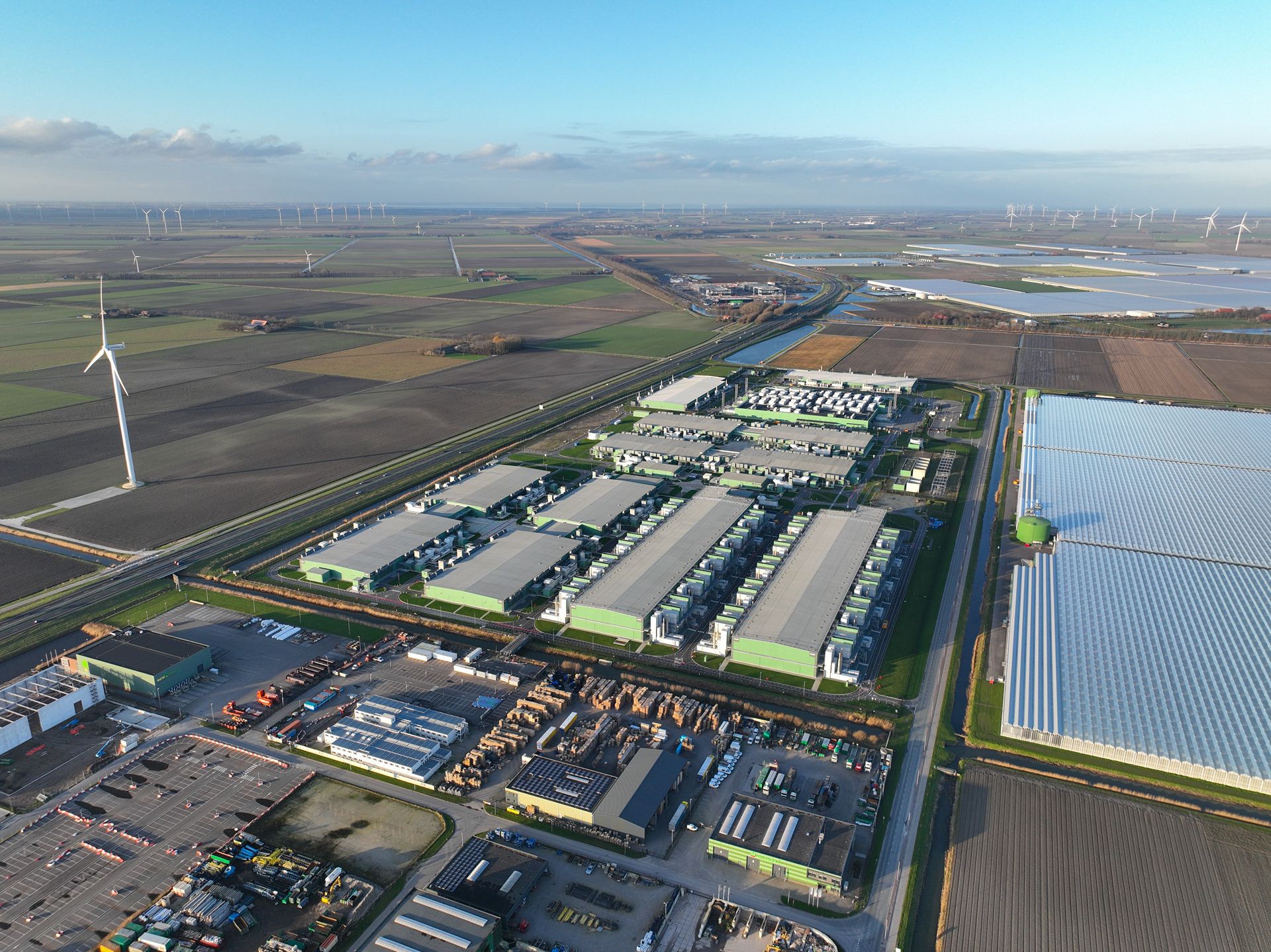
Infrastructure development also takes on greater significance, seeking to bring different strands of the government’s growth agenda together. Grid connections, data centres, freight and logistics infrastructure are increasingly recognised as strategic considerations that can meaningfully influence planning decisions. Projects that strengthen capacity, resilience or economic growth benefit from a stronger policy foundation and a clearer route to approval. For developers of energy, logistics, digital and utility infrastructure, the revised framework provides stronger policy support for projects that deliver national and regional economic objectives.
The updated framework places greater emphasis on directing growth towards sustainable transport locations. One of the key headlines from the updated framework was that local planning authorities are expected to identify and allocate development opportunities around transport hubs and railway stations that serve urban centres, supporting higher-density and transit-oriented development. This is another example of how the government see infrastructure and housing supporting each other and echo the themes regarding urban development and transport infrastructure that characterised Andy Burnham’s mayoralty.
Consultation & Engagement
Emphasis on the value and importance of consultation remains, with applicants expected to demonstrate how engagement with communities, statutory consultees and infrastructure providers has informed scheme development. Developers will need to provide clear evidence of how community feedback, statutory consultee input and infrastructure provider engagement informed design, phasing and mitigation measures.
Delivery over Delay
Overall, the updated NPPF represents a significant shift towards delivery, with the government still committed to the manifesto pledge to provide 1.5M new homes before the end of this parliament. The presumption in favour of sustainable development has been strengthened; strategic infrastructure carries greater weight and robust evidence of stakeholder engagement is now expected.
For housing, energy and infrastructure developers, the message is clear: early engagement, robust evidence and alignment with policy objectives will be critical to securing consent. Those that engage proactively with plan-making, infrastructure requirements and stakeholder expectations are likely to be best placed to take advantage of the opportunities created by the revised framework.
If you'd like to discuss what the updated NPPF could mean for your current or future projects, please get in touch with the team.
Author
Emma Carson
Share


