Insights from the Centre for Cities ‘Manchesterism rising from devolution – in conversation with Mayor Andy Burnham’.
18
March
2026

Author
Edward Teather
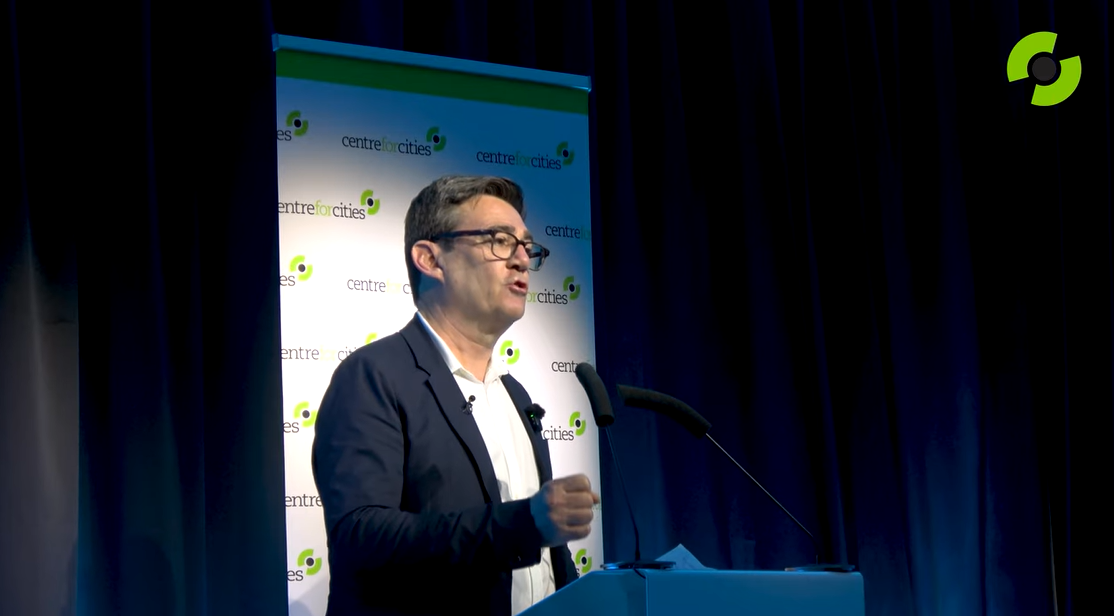
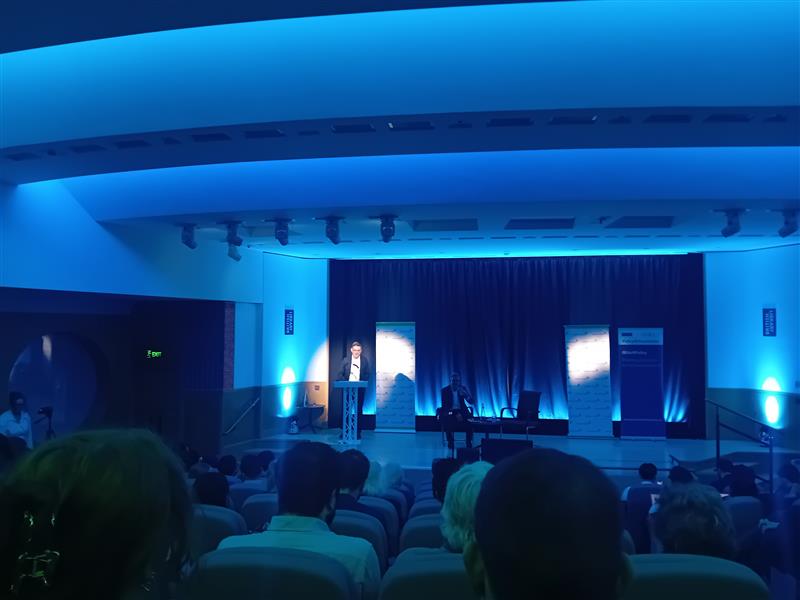
Last week we visited the Centre for Cities to attend a keynote speech where Andy Burnham, Mayor of Greater Manchester, set out his vision for “Manchesterism everywhere” – but what would that actually look like? And what are the implications for those working in stakeholder and political engagement across the built environment?
Burnham’s “Manchesterism” and a changing stakeholder landscape
With local government reorganisation (LGR) now well underway, new combined authorities will be looking to Burnham’s Greater Manchester Combined Authority (GMCA) as their model. More mayors, more strategic power, and more intentional investment strategies mean the stakeholder map for major development, infrastructure and energy projects is being redrawn.
For those working in development, energy and infrastructure, this is a critical shift. Engagement strategies built around district and borough councils may need to evolve – and quickly. Combined authorities and mayoral development corporations (MDCs) – statutory bodies established by mayors in England to accelerate urban regeneration, development and investment within designated areas - are becoming primary decision makers for these projects and must be taken into the stakeholder mix.
MDCs: A new tier of engagement
For Burnham’s “Manchesterism”, MDCs play a central role in getting things built. These statutory bodies exist to accelerate regeneration and development, and they operate with a level of strategic ambition and financial autonomy that most local councils simply don't have. The clearest example of this is Stockport MDC; created by the GMCA in 2021, the MDC was established to revitalise public transport infrastructure in Stockport. When development finance fell through, Burnham authorised the GMCA to step in with a loan to keep the project moving.
The lesson for projects navigating development consent or planning approval in combined authority areas is straightforward – MDCs and combined authorities need to be engaged as substantive stakeholders, not as a secondary tier. Getting this hierarchy right early in a project's stakeholder mapping will matter.
Growth clusters signal direction of development
Burnham is clear that local accountability for services allows cities and regions to take the reins and shape themselves. Stressing that devolution should unlock local ambition, he citied examples such as Manchester’s devolved skills agenda which has enabled the GMCA to build five growth-driving clusters across the city region: Advanced Materials and Manufacturing, Digital, Cyber and AI, Health innovation and Life Sciences, Creative Industries, and Low Carbon technologies. As other regions follow suit, these clusters will generate demand for new development – labs, data centres, factories, energy infrastructure – and with it, the need for well-planned community and political engagement.
For renewable energy and infrastructure projects in particular, the alignment between low carbon growth ambitions and mayoral priorities creates both opportunity and expectation. Projects that can credibly connect to a region's economic growth story will be better positioned in planning and in the eyes of local communities.
What Luminate is watching
As LGR creates new combined authorities modelled on the GMCA, we’re tracking how engagement requirements will shift in each emerging geography. The political dynamics of mayoral accountability are different from those of a district council, and the stakeholder and community engagement expectations that come with large-scale regeneration or infrastructure projects in these areas will reflect that.
If the LGR does foster Manchesterism everywhere, the impacts could be enormous – from housing and transport regeneration in town centres, to growth clusters demanding laboratory, manufacturing, and energy infrastructure. For our clients in the built environment, understanding this new political landscape will be essential.
Want to discuss what LGR could mean for your projects? Get in touch with Luminate for insights: enquiries@luminateconsultancy.com
Andy Burnham’s keynote speech can be watched on the Centre for Cities YouTube channel here: https://www.youtube.com/watch?v=fUB7kFqfl0s
Image credit: Centre for Cities
Author
Edward Teather
Share


